Whale Hello There Embroidery Design Review
As I set up my table for the upcoming weekend craft fair, the air is already thick with the scent of fresh linen and the hum of anticipation. My booth needs to tell a story immediately. This season, I am leaning heavily into coastal themes, and one specific asset has caught my eye: the Whale Hello There Embroidery Design. Before I commit to stitching hundreds of units or listing them on Etsy, I need to evaluate if this digital file will translate into a profitable, high-quality handmade product. For any boutique maker or embroidery business owner, the difference between a bestseller and a leftover item often comes down to how well a design performs in the real world.
First Impressions: A Sweet Ocean Touch
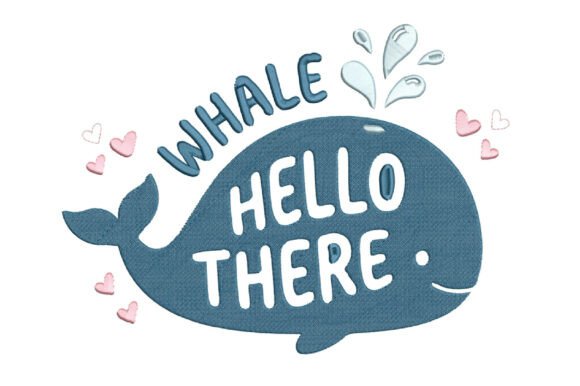
When I first load the Whale Hello There Embroidery Design onto my screen, the vibe is instantly clear. It is not an elegant, minimalist piece, nor is it rustic or farmhouse-style. Instead, it feels playful, modern, and undeniably cute. The description promises a "sweet ocean touch," and the visual confirms it with a charming whale illustration paired with playful lettering. In a crowded market filled with serious art and generic patterns, this design stands out as approachable and friendly. It screams Summer without being cliché. For a craft fair product, this kind of immediate emotional connection is vital. Customers walking past my booth need to stop, smile, and feel a sense of whimsy within seconds.
Product Potential: Where Does It Shine?
The versatility of a machine embroidery design like this is its greatest asset. I have been testing where the Whale Hello There Embroidery Design fits best within my current inventory strategy. Here is my breakdown of how it performs across different mediums:
- Tote Bag Design: This is likely the strongest application. On a natural canvas tote, the playful whale becomes a focal point. It transforms a utilitarian item into a statement piece that customers can carry through the market. The scale allows the lettering to remain legible while the whale illustration pops against the neutral background.
- Tea Towel Embroidery: Kitchen linens are a staple for handmade shops. Placing this design in the corner of a high-quality cotton tea towel adds a touch of personality to a home kitchen. However, I must be careful with the fabric texture; terry cloth can sometimes hide fine details, so a smooth cotton blend is preferable here.
- Apron Embroidery: An apron offers a larger canvas. If I place the design on the bib area, it acts as a conversation starter. It suggests a fun, creative cook, which aligns perfectly with the demographic that visits craft fairs.
- Embroidered Patch: Creating patches from this design opens up a new revenue stream. These can be sold individually or used to embellish denim jackets and hats. The bold lines of the whale work well for the slightly raised texture of a patch.
- Pillow Covers and Fabric Pouches: These items serve as excellent giftable handmade items. A small pouch with the whale peeking out makes for a delightful gift bag filler, while a pillow cover brings the theme into the living room.
Production Realities and Technical Considerations
While the aesthetic appeal is high, the practical side of production cannot be ignored. As an experienced designer, I know that what looks good on a monitor does not always stitch perfectly on fabric. When working with the Whale Hello There Embroidery Design, there are several critical factors to consider before mass production.
Stitch Density and Detail
The playful lettering mentioned in the product description requires close inspection. Tiny letters can become illegible if the stitch density is too high or if the thread colors do not contrast sharply with the fabric. I always recommend running a test on scrap fabric first. If the text is dense, it may cause puckering on thinner materials like tea towels. Adjusting the tension and ensuring the correct stabilizer is used is non-negotiable. A tear-away stabilizer might work for a sturdy tote, but a cut-away is safer for stretchy fabrics or items that will undergo frequent washing.
Hoop Size and Placement
Before committing to a batch run, you must confirm the hoop size required for this digital embroidery file. If the design is large, it limits the types of products you can make. For example, if the whale spans 5 inches, it won't fit on a standard cap front without significant distortion. Curved cap surfaces are particularly tricky; the "Hello There" text might warp if the hoop isn't positioned correctly. Always create at least one real mockup to see how the design sits on the actual product. A printable mockup is useful for Etsy listings, but nothing replaces holding the finished product in your hand.
Fabric Texture and Color Contrast
The success of this embroidery file relies heavily on the background. Dark fabrics can swallow the details of a cute whale illustration unless you use bright, contrasting thread colors. Conversely, very light fabrics might require a backing to prevent show-through. Textured towels can also obscure the finer lines of the whale's tail or the curves of the lettering. Testing on the exact fabric you intend to sell is crucial for maintaining the perceived quality of your small shop product.
Selling Strategy: From Booth to Online Shop
For the Etsy seller or the vendor setting up a physical booth, visual appeal drives sales. The Whale Hello There Embroidery Design has strong potential for photography. Its cheerful nature photographs beautifully in natural light, making it perfect for social media marketing and online listings. When displayed at a craft fair, these items should be arranged to catch the eye. Hanging embroidered totes vertically or displaying folded tea towels with the design facing up creates a cohesive look that invites customers to engage.
This design also supports brand consistency. If your shop focuses on happy, summery, or nautical themes, incorporating this motif across various items—from caps to pillow covers—creates a recognizable identity. It tells customers that they are buying a curated collection rather than random items. This consistency increases the perceived value of your handmade product and encourages repeat purchases.
Final Verdict and Licensing Check
In conclusion, the Whale Hello There Embroidery Design is a strong contender for a summer collection. It balances cuteness with commercial viability, offering multiple applications that appeal to a wide range of buyers. However, its success depends on your attention to detail during production. Do not skip the test stitches. Verify the commercial embroidery license terms to ensure you are legally allowed to sell finished goods made from this file. Many designers offer personal use only, so double-check the licensing agreement before you invest in thread and fabric.
If you follow these guidelines—testing on the right fabric, choosing appropriate stabilizers, and ensuring high contrast—you will find that this design is more than just a pretty picture. It is a tool for building a successful booth display and a thriving online store. Whether you are a Cricut crafter expanding into embroidery or a seasoned business owner looking for fresh assets, this design offers a delightful way to connect with customers who love the ocean and the joy of handmade goods.