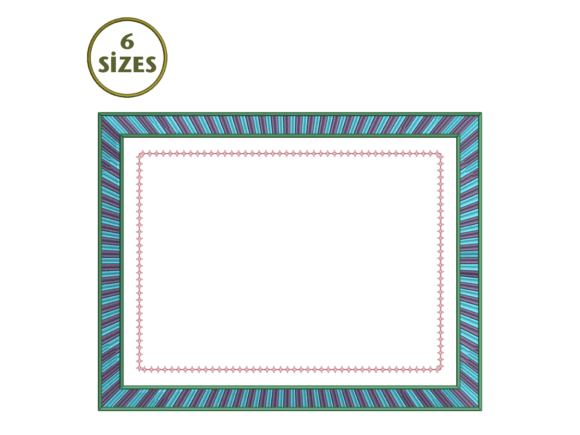
Striped Placemat Embroidery Design Review
As a designer who has spent years navigating the intersection of digital art and physical stitching, I approach every new machine embroidery design with a critical eye. It is not enough for a file to look good on a screen; it must translate seamlessly into thread, stabilizer, and fabric. Today, I am evaluating the Striped Placemat Embroidery Design, a pattern that promises to bring structure and style to home textiles. This review cuts through the marketing fluff to determine if this embroidery file holds up under the pressure of real-world production.
First Impressions: Visual Weight and Mood
When I first loaded the Striped Placemat Embroidery Design into my digitizing software, the immediate impression was one of clean, modern utility. The layout relies heavily on linear geometry, creating a rhythm that feels both traditional and contemporary. Unlike floral or organic motifs that can sometimes get lost in complex stitching, stripes offer a bold visual statement. The design creates a mood of organized elegance, making it an ideal candidate for the Kitchen category where functionality meets aesthetics.
The visual personality of this design suggests it belongs on items that require a touch of sophistication without overwhelming the user. It does not scream for attention like a loud graphic tee but rather whispers quality. For a small business owner or an Etsy seller looking to expand their catalog of home goods, this pattern offers a versatile aesthetic that fits well within neutral color palettes and seasonal decor trends. The simplicity of the lines suggests that the success of the final product will depend entirely on execution—specifically, how the stitch density and thread tension are managed during the run.
Testing the Waters: A Real-World Scenario
To truly understand the potential of the Striped Placemat Embroidery Design, I imagined a specific project: a line of premium cotton canvas placemats for a boutique kitchen shop. In this scenario, the goal is to create a handmade product that feels durable yet luxurious. I envisioned using a medium-weight natural linen as the base fabric. The challenge here is ensuring that the stripes remain crisp and do not bleed into one another, which can happen easily with high-density fill stitches on textured fabrics.
In this hypothetical production run, the design would serve as the centerpiece. Imagine a customer unboxing a set of these placemats for a wedding gift. The tactile experience of the raised fill stitch against the soft linen adds a layer of value that flat printing cannot achieve. If executed correctly, the finished product would command a higher price point due to the perceived effort and quality. However, if the hoop size is miscalculated or the stabilizer is insufficient, the result could be puckered fabric and uneven lines, ruining the professional presentation. This is why testing the design on scrap fabric before committing to expensive materials is non-negotiable.
Performance Across Different Applications
While the name suggests a specific use case, the versatility of the Striped Placemat Embroidery Design extends beyond just table linens. Its geometric nature makes it surprisingly adaptable for various custom apparel and home decor projects. For instance, adapting this motif for a chef's apron or a heavy-duty tea towel could yield excellent results, provided the scale is adjusted appropriately. The repeating nature of the stripes allows for creative placement, such as bordering the hem of a tote bag or framing a pocket on a sweatshirt.
However, not all applications are created equal. Using this design on stretchy fabrics like jersey knit requires caution. The tension required to pull tight stripes across a moving fabric can lead to distortion once the garment is worn. Similarly, applying this embroidery project to dark fabrics demands careful selection of thread colors. A white-on-black stripe might look striking in a mockup, but without proper backing, the black fabric may show through the gaps in the satin or fill stitches, creating a muddy appearance. For those selling commercial embroidery assets, it is vital to provide clear guidelines on suitable fabric types to ensure customer satisfaction.
Ideals for Small Business Merchandise
- Pillow Covers: The linear design works beautifully on square cushions, adding texture to living room decor.
- Tote Bags: A large-scale version could serve as a stylish accent on canvas shoppers.
- Baby Items: Softened with pastel threads, the stripes could decorate bibs or burp cloths, though care must be taken with safety standards.
- Holiday Gifts: Seasonal color variations make this a perfect template for Christmas or Easter table settings.
Critical Considerations for Designers and Makers
Before you purchase or utilize the Striped Placemat Embroidery Design, there are several technical factors you must consider. As a reviewer, I cannot stress enough the importance of understanding your machine's limitations. While the description states that digital files are delivered in ZIP or RAR format, it does not specify the exact stitch count or hoop dimensions. You must open the file and verify these details immediately. If the design exceeds your machine's maximum hoop capacity, you will need to split the design, which can introduce registration errors if not done perfectly.
Another critical aspect is the choice of stabilizer. Striped patterns often rely on dense rows of stitching to maintain their shape. On a thick placemat fabric, a cut-away stabilizer might be necessary to prevent the back of the work from becoming brittle or the front from puckering. Conversely, on lighter fabrics, a tear-away might suffice. Always test the design assets on a swatch of your intended material. Check the running stitch edges for smoothness and ensure there are no loose threads that could unravel after washing.
Visual Appeal and Commercial Viability
The success of any digital embroidery file in a commercial setting hinges on its ability to enhance the perceived value of the item. The Striped Placemat Embroidery Design has strong potential here. Clean lines suggest precision and professionalism, which builds trust with buyers. When customers see a well-executed embroidered item, they associate the quality with the brand behind it. This is particularly important for craft business owners trying to differentiate themselves in a crowded market.
However, the design's simplicity is a double-edged sword. Because it is so straightforward, any flaw in the stitching becomes glaringly obvious. A single skipped stitch or a color mismatch can ruin the illusion of perfection. Therefore, consistency is key. If you plan to sell these as part of a collection, ensure that every piece maintains the same high standard. Use printable mockups to preview how the design looks in different lighting conditions and on various backgrounds before listing them for sale.
Final Verdict and Practical Advice
In conclusion, the Striped Placemat Embroidery Design is a solid asset for designers looking to add structured elegance to their portfolio. It excels in home textile applications and offers a timeless aesthetic that appeals to a wide range of consumers. However, its success is entirely dependent on the maker's attention to detail regarding fabric choice, stabilizer usage, and machine setup.
Remember, this is a digital product with no returns or refunds, so due diligence is essential before purchase. Verify the file formats are compatible with your embroidery machine software. Test the design thoroughly on scrap materials to gauge stitch density and tension. By taking these practical steps, you can transform a simple digital file into a high-quality personalized gift or a profitable small shop product. Whether you are a hobbyist creating holiday decorations or a professional decorator fulfilling bulk orders, this design offers a reliable foundation for creative expression when handled with care.