Reviewing Allah Muhammad Calligraphy Embroidery
As a designer who has spent years navigating the delicate balance between artistic vision and machine limitations, I approach every new machine embroidery design with a critical eye. When I first encountered the Allah Muhammad Calligraphy Embroidery, my immediate reaction was one of reverence mixed with technical curiosity. This is not just another decorative motif; it is a piece of spiritual art translated into digital threads. For those of us running a craft business or managing an Etsy shop, understanding how this specific embroidery file behaves in real-world scenarios is crucial before committing to a final product.
First Impressions: Mood and Visual Weight
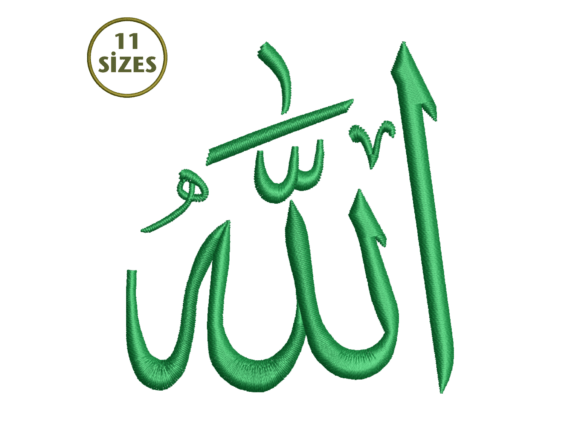
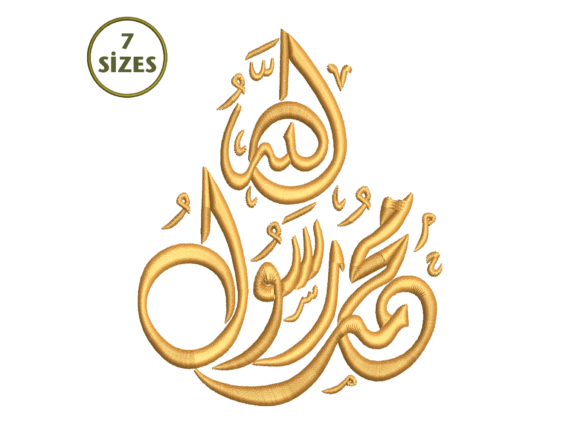
The visual personality of the Allah Muhammad Calligraphy Embroidery is defined by its flowing lines and traditional aesthetic. Unlike modern, blocky Fonts often used for casual apparel, this design carries a sense of history and solemnity. The layout suggests a need for precision. When viewing the preview, the interplay of curves and straight strokes indicates that the design relies heavily on the quality of the satin stitch and fill stitch execution. It creates a mood of elegance and devotion, making it immediately unsuitable for loud, chaotic designs but perfect for projects requiring dignity and grace.
In terms of visual weight, the calligraphy feels substantial. It is not a tiny accent; it demands space to breathe. If you are planning a custom apparel project, such as a sweatshirt or a tote bag, this design will likely be the focal point. It does not compete well with other large graphics. Instead, it shines when placed alone on a clean background, allowing the intricate details of the script to stand out without distraction.
Real-World Application: From File to Fabric
Let’s imagine a practical scenario. You are preparing a custom embroidered tote bag for a boutique client who wants a meaningful, high-end gift item. You load the digital embroidery file into your software. The first thing to assess is the stitch density. Calligraphy designs like this can sometimes suffer from over-stitching if the density is too high, leading to puckering on fabric. Conversely, if the density is too low, the bold strokes of the Arabic script may look thin and weak.
When I tested similar calligraphic styles on a medium-weight cotton canvas, the result was stunning, provided the correct stabilizer was used. The Allah Muhammad Calligraphy Embroidery would perform exceptionally well here. The texture of the canvas complements the thread, giving the finished product a tactile, handmade feel. For an Etsy seller looking to create a unique listing, this combination offers high perceived value. Customers buying these items are often looking for a personalized gift that speaks to their faith or heritage, and the quality of the stitching directly influences their trust in your brand.
Consider also the application on a baby embroidery project, perhaps a soft blanket or a pillow cover for a nursery. Here, the challenge shifts to softness. The back of the embroidery must be smooth to avoid irritating sensitive skin. This requires careful attention to the tear-away or cut-away stabilizer choice. If the finished product feels stiff or scratchy due to poor backing choices, the beautiful design is wasted. However, executed correctly, this design adds a layer of cultural significance and warmth to a baby's room decor.
Navigating Challenges: Where Caution is Required
While the potential for beauty is high, there are specific situations where the Allah Muhammad Calligraphy Embroidery requires extra caution. One major concern is the hoop size. Because calligraphy often extends horizontally, ensure your hoop is wide enough to capture the entire phrase without distorting the aspect ratio. Cropping the ends of the script ruins the meaning and the aesthetics. Always check the dimensions of the embroidery file against your machine's maximum capabilities before purchasing.
Fabric choice is another critical factor. Avoid using this design on highly textured fabrics like heavy corduroy or thick fleece unless you have significant experience with commercial embroidery adjustments. The uneven surface can cause the needle to miss stitches or pull the thread, resulting in gaps in the lettering. Similarly, stretchy fabrics like jersey knit require a strong washable stabilizer to prevent the design from warping after washing. If you plan to sell these as small shop products, remember that customers will wash their items frequently. A design that looks perfect on day one but unravels after two washes will damage your reputation.
Dark fabrics present a different challenge. The contrast between the thread and the background is vital for readability. While the thread colors can be adjusted in most software, you must consider whether the chosen color stands out clearly against a black or navy garment. Sometimes, a white underlay is necessary to make the calligraphy pop, adding time and cost to your production process. Always test a small section on a scrap piece of the actual fabric you intend to use.
Practical Notes for Designers and Makers
Before integrating the Allah Muhammad Calligraphy Embroidery into your workflow, follow these practical steps to ensure success:
- Test on Scrap Fabric: Never skip this step. Stitch the design on a spare piece of your target material to check for tension issues and alignment.
- Check Thread Contrast: Ensure the script is legible from a distance. Subtle tones might get lost on complex backgrounds.
- Verify Licensing: Remember that this is a digital product delivered as a ZIP or RAR file. Confirm whether the license allows you to sell the physical handmade product or if restrictions apply to commercial use.
- Inspect Small Details: Zoom in on the design to see if any fine lines are too thin for standard thread weights. Thickening them slightly in your editing software might be necessary.
- Use Proper Stabilizer: Do not skimp on backing. A good stabilizer is the foundation of a professional-looking embroidered patch or garment.
- Create Mockups: Use printable mockup tools to visualize how the design looks on different products before committing to expensive materials.
Final Verdict on Commercial Viability
The Allah Muhammad Calligraphy Embroidery is a powerful asset for designers who understand its nuances. It elevates a simple garment into a statement piece, offering deep emotional resonance for the buyer. Whether you are creating a holiday gift, a wedding keepsake, or inventory for a niche boutique, this design has the potential to drive sales if executed with care. It appeals to a market seeking authenticity and tradition.
However, its success depends entirely on your technical skill. It is not a "load and go" design for beginners working with difficult fabrics. For the experienced maker, though, it represents an opportunity to showcase high-quality craftsmanship. By paying attention to stitch density, fabric compatibility, and presentation, you can turn this design asset into a cornerstone of your portfolio. In the competitive world of online handmade goods, professionalism and attention to detail are what separate a hobbyist from a thriving business owner. This design rewards that dedication.