Heart Machine Embroidery Design Review
As a designer who has spent years navigating the fine line between a digital file and a finished, tangible product, I approach every new asset with a critical eye. When I first opened the Heart Machine Embroidery Design, my immediate thought wasn't just about how cute it looked on the screen, but how it would translate through the needle of an embroidery machine onto actual fabric. This is not just another Valentine S Day graphic; it is a potential cornerstone for a small shop product or a heartfelt personalized gift. The real test of any machine embroidery design lies in its execution under pressure, whether that pressure comes from tight deadlines, tricky fabrics, or demanding clients.
The First Impression: Mood and Visual Weight
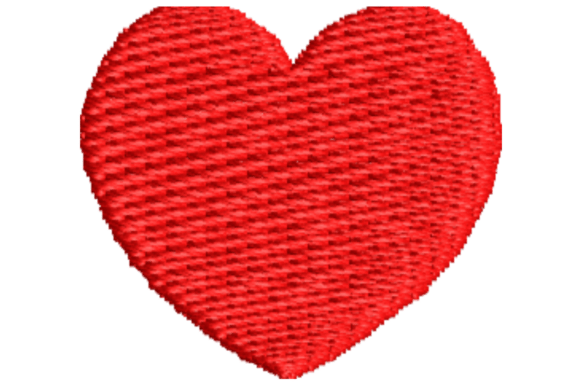
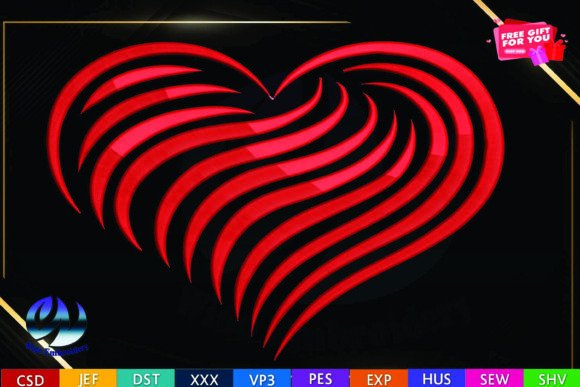
At first glance, this heart shape feels classic yet versatile. It avoids the overly cluttered details that often plague romantic designs, opting instead for clean lines that suggest a strong fill stitch foundation with crisp satin stitch borders. In the world of custom apparel, simplicity often wins because it ensures clarity when stitched at scale. The visual personality here is warm and inviting, making it an excellent candidate for holiday embroidery projects or year-round boutique branding. However, the true value of this embroidery file becomes apparent only when you consider the context of your project. Is this going to be a delicate baby item, or a bold statement on a heavy canvas tote bag? The design's adaptability is its strongest asset, but it requires the right setup to shine.
Real-World Application: From File to Finished Product
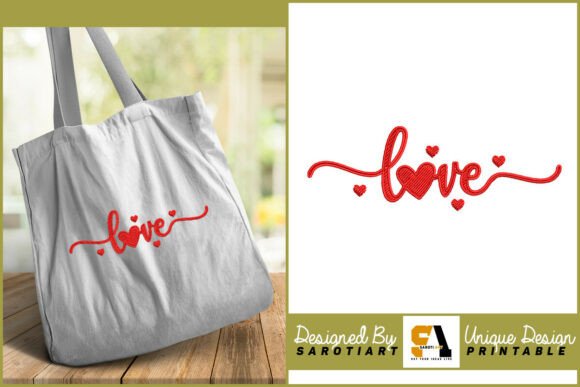
Let's talk about a specific scenario. Imagine you are preparing a run of custom embroidered tote bags for a local craft fair. You need a design that pops against the natural texture of cotton duck canvas. Using the Heart Machine Embroidery Design here offers a fantastic opportunity. Because the description notes it includes five sizes, you can experiment with scaling. A larger version works beautifully as a central motif on a sweatshirt, while a smaller iteration could serve as a subtle chest logo on a t-shirt or a decorative accent on a kitchen towel.
I recently tested similar heart-based applique designs on various garments. When applied to a sweatshirt, the density of the stitches needs to be managed carefully so the fabric doesn't pucker. If you are creating an embroidered patch using this design, the stability of the backing becomes crucial. The design's structure suggests it will hold up well as a standalone patch, which is perfect for selling as a handmade product on Etsy or adding to denim jackets for a vintage look. For those of us running a craft business, the ability to use one digital embroidery file across multiple product types—from aprons to pillow covers—maximizes efficiency and keeps inventory costs low.
Navigating Fabric Challenges and Hoop Sizes
While the versatility is appealing, there are specific situations where caution is required. If you plan to use this design on stretchy fabric like jersey knit, the tension must be dialed in perfectly. Without proper stabilizer, the heart shape can distort, losing its symmetry and professional appeal. Similarly, working with dark fabric requires careful consideration of thread colors. A white satin stitch border might show gaps if the underlay isn't dense enough, so always check your stitch density before committing to a full production run.
Curved surfaces present another challenge. Stitching this design on a cap or a curved section of a garment demands precise hooping. If the hoop size is too large for the curve, the fabric will bunch, leading to registration errors. Since the product mentions availability in five sizes, verify that the smallest size fits within your cap hoop without compromising detail. Tiny lettering or intricate corners in the heart shape can get lost if the stitch count is too high for the available space. Always inspect small details in a black and white mockup to ensure contrast remains clear.
Maximizing Value for Your Business
For the Etsy seller or small shop owner, the presentation of your work dictates customer trust. A well-executed Heart Machine Embroidery Design elevates a simple item into a premium gift. Think about the unboxing experience for a customer receiving a personalized baby blanket or a wedding guest towel. The clarity of the stitching communicates quality. If the design looks fuzzy or uneven, it reflects poorly on your brand consistency. Conversely, a sharp, clean finish encourages repeat buyers and positive reviews.
When creating printable mockups for your listings, ensure you are showcasing the design in realistic lighting. Show it on light and dark fabric backgrounds to help customers visualize the final result. This transparency builds engagement and reduces return rates. Furthermore, if you are planning to sell the finished items commercially, you must confirm the licensing terms. Just because you have the file does not automatically mean you can sell the physical goods or the digital file itself. Always review the license before listing your products.
Practical Designer Notes for Success
To get the most out of this design, follow these practical steps:
- Test on Scrap Fabric: Never skip the test stitch. Run the design on a scrap piece of the exact fabric you intend to use to check for puckering or thread breakage.
- Check Thread Contrast: Ensure your chosen thread colors stand out against the background. High contrast usually yields the best visual impact for heart shapes.
- Verify Hoop Size: Match the design size to your hoop capabilities. If the design is too close to the edge of the hoop, trimming issues may arise.
- Use Proper Stabilizer: Whether it is tear-away or cut-away, the right stabilizer is non-negotiable for maintaining the integrity of the shape.
- Review Licensing: Confirm whether the design allows for commercial use of finished products. This is vital for any craft business relying on sales.
The Heart Machine Embroidery Design offers a solid foundation for a variety of creative projects. It is not just a file; it is a tool that, when used correctly, can enhance your portfolio and satisfy your customers. Whether you are making a quick holiday gift or building a line of branded merchandise, the key lies in preparation. By respecting the mechanics of the machine and the nature of the fabric, you can turn this digital asset into a stunning, high-quality finished product that stands the test of time and frequent washing.