Hatching Chick Embroidery Design Review
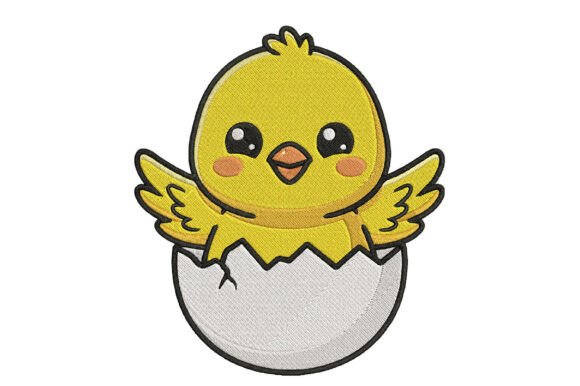
As a professional embroidery designer who has spent years translating digital files into tangible brand assets, I approach every new design with a critical eye. When reviewing the Hatching Chick Embroidery Design, my focus shifts immediately from personal craft to commercial viability. For small business owners, Etsy sellers, and apparel decorators, a design must do more than look cute; it must function as a reliable tool for brand identity. This specific design, featuring an adorable baby chick emerging from an egg, falls squarely within the Baby Animals category, but its true value lies in its potential to elevate small business merch and create memorable customer experiences.
First Impressions: Playful Yet Professional
The initial visual assessment of the Hatching Chick Embroidery Design reveals a balance between whimsy and structure. The concept of a chick hatching is inherently friendly and inviting, making it an excellent candidate for brands that want to project warmth, growth, and new beginnings. Whether you run a boutique bakery, a creative studio, or a local florist, this design offers a "handmade product" feel without sacrificing the clean lines required for professional commercial embroidery.
Unlike overly intricate floral patterns that can get lost on textured fabrics, the silhouette of the chick and the egg provides strong definition. This makes the design versatile enough to serve as a primary logo accent or a secondary detail on staff uniforms. The aesthetic feels modern yet classic, suitable for Easter promotions or year-round branding for nurseries and children's boutiques. However, the key to its success lies in how well the machine embroidery design translates to various substrates, which is where the real test begins.
Strategic Applications for Branded Merchandise
When integrating the Hatching Chick Embroidery Design into a business strategy, the possibilities are vast. For a café or bakery, placing this design on aprons creates an instant connection with customers, signaling a welcoming environment. On custom apparel like chef coats or barista shirts, the design acts as a subtle badge of quality. Because the subject matter is universally appealing, it transcends niche markets, making it ideal for general retail merchandise.
Consider the application on embroidered patches. A patch featuring this chick can be sewn onto denim jackets, tote bags, or backpacks, offering a tactile element that printed logos cannot match. For tote bag design, the chick works beautifully as a central motif or a corner accent. If your business sells reusable shopping bags, this design adds a touch of charm that encourages customers to carry your brand around town. Similarly, cap embroidery using this file can turn standard promotional hats into coveted items for staff or loyal customers.
In the realm of event marketing, this design is a powerhouse. Imagine handing out branded pillow covers or kids' outfits at a spring festival. The Hatching Chick Embroidery Design serves as a perfect seasonal hook while maintaining relevance for baby showers or nursery decor collections. It allows businesses to pivot quickly between holiday-specific sales and evergreen inventory without losing visual consistency.
Navigating Technical Challenges and Fabric Textures
While the design is promising, a professional review requires addressing potential pitfalls. The delicate nature of a baby chick means that stitch density must be carefully managed. If the density is too high, the fine details of the chick's beak or feathers may become muddy, especially on dark uniforms or heavy canvas. Conversely, if the density is too low, the design might not cover the background fabric adequately, leading to a sloppy appearance.
Curved surfaces present another challenge. When applying this design to the front of a cap, the curvature can distort the shape of the egg or the chick's posture. It is crucial to test the digital embroidery file on a mock-up first to ensure the proportions remain true. Additionally, on textured fabrics like fleece or knitwear, the fine outlines of the chick might get lost in the pile of the material. In such cases, using a higher loft stabilizer or adjusting the thread colors for better contrast becomes essential.
Small patch sizes also require caution. While the design is cute, shrinking it down too much for a tiny sleeve detail could result in stitching errors where threads tangle or break. Always verify the minimum size recommendation before committing to production runs. Furthermore, items that undergo frequent washing, such as work shirts or aprons, demand a robust design structure. Ensure that the embroidery file includes sufficient underlay stitches to anchor the top threads securely against the rigors of daily use.
Impact on Brand Identity and Customer Trust
Choosing the right design asset is a strategic decision that influences brand identity. The Hatching Chick Embroidery Design communicates care, attention to detail, and a commitment to quality. When a customer sees a well-executed embroidered patch on a tote bag or a uniform, it signals that the business values craftsmanship over mass production. This perception of quality builds trust and increases the perceived value of your products.
For handmade brands and Etsy sellers, this design helps differentiate your offerings in a crowded marketplace. A unique finished product with a custom-embroidered element stands out against competitors relying solely on screen printing. It invites engagement; customers are drawn to the texture and depth of the embroidery, often taking photos and sharing them on social media. This organic promotion enhances buyer engagement and reinforces visual consistency across your product line.
Moreover, using a cohesive design like this across multiple product categories—from apron embroidery to nursery decor—creates a unified brand experience. Customers begin to recognize the chick as a symbol of your business, fostering loyalty and repeat purchases. It transforms a simple logo into a recognizable mascot that resonates emotionally with your audience.
Practical Designer Notes for Production
Before you commit to a large production run, follow these practical steps to ensure the best results with the Hatching Chick Embroidery Design:
- Test in Black and White: Start by embroidering the design in black thread on white fabric. This reveals any issues with stitch flow, spacing, or structural integrity before investing in colored threads.
- Verify Hoop Size: Confirm that the design fits comfortably within your machine's hoop. Overfilling the hoop can lead to puckering and misalignment.
- Check Thread Colors: Experiment with different thread colors to see how they interact with your specific fabric. High contrast usually yields the clearest image.
- Select the Right Stabilizer: Use a tear-away or cut-away stabilizer appropriate for the fabric weight. Proper stabilization is non-negotiable for preventing distortion.
- Create a Mockup: Generate a printable mockup or a physical sample for client approval. Visualizing the final product helps manage expectations and prevents costly mistakes.
- Compare Design Assets: Place the chick design next to other elements in your brand kit to ensure style and scale compatibility.
- Confirm Licensing: Always verify the commercial licensing terms of the embroidery file before using it for business purposes. Ensure you have the rights to reproduce it on merchandise for sale.
By treating the Hatching Chick Embroidery Design as a serious business asset rather than just a decorative element, you unlock its full potential. With careful planning and technical precision, this charming design can become a cornerstone of your brand's visual language, driving recognition and delighting customers across every piece of small business merch you produce.