Feelin Lucky St. Patricks Embroidery Review
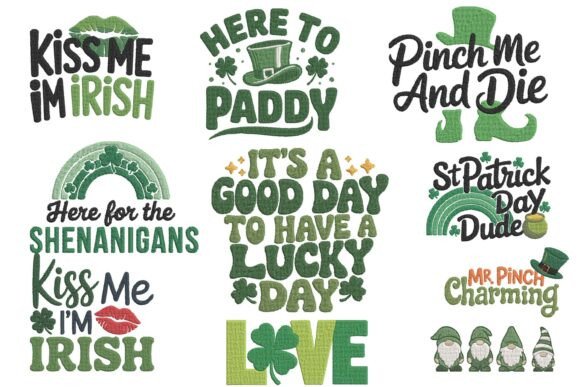
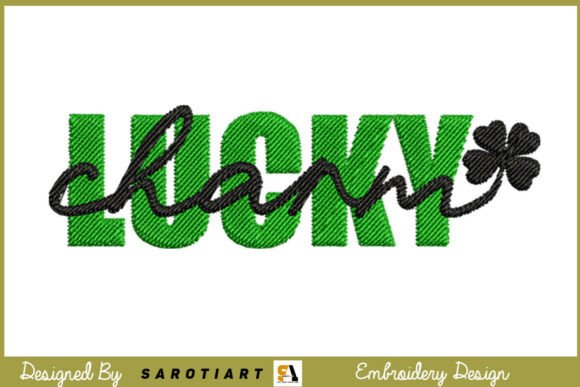
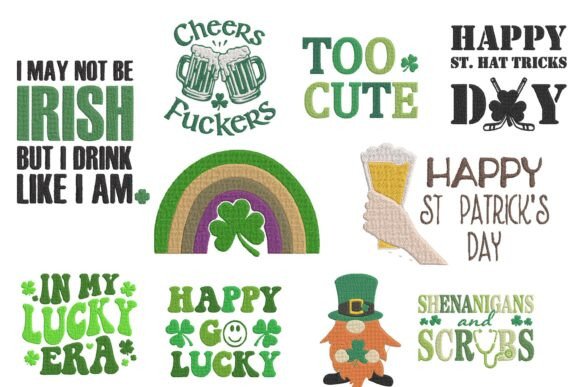
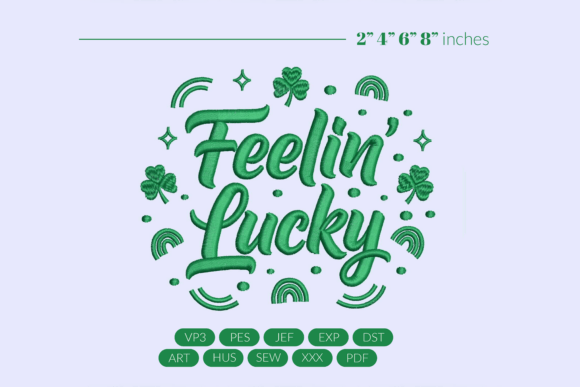
As I set up my worktable for the upcoming weekend craft fair, I am sorting through a stack of digital files to determine which designs will translate best into physical inventory. The goal is always the same: create handmade products that stop shoppers in their tracks and justify a premium price point. Today, I am putting Feelin Lucky St. Patricks Embroidery under the microscope. This machine embroidery design promises stylish script typography surrounded by festive shamrocks, rainbows, and sparkles. Before I commit hours to stitching tote bags and aprons, I need to know if this file delivers on its promise or if it is just another generic holiday asset.
First Impressions: A Festive and Modern Vibe
The first thing that strikes me about Feelin Lucky St. Patricks Embroidery is its energy. It does not feel like the traditional, overly rustic or cliché green-and-gold designs often seen at this time of year. Instead, the combination of stylish script typography with bright accents like rainbows and sparkles gives it a modern, cheerful aesthetic. It feels approachable yet polished. For a craft fair booth, visual appeal is everything. When a customer walks by, they have seconds to decide if something catches their eye. This design has the potential to pop against neutral backgrounds, making it an excellent candidate for a craft fair product lineup.
The inclusion of sparkles suggests a bit of whimsy, which appeals to a wide demographic, from parents looking for fun gifts to young adults seeking trendy accessories. However, "sparkles" in an embroidery file can be tricky. Depending on how the digitizer executed them, they could add a magical shimmer or result in a messy, dense cluster of stitches. My initial assessment is that the design leans towards a decorative, celebratory style rather than a minimal one, meaning it should be used as a focal point rather than a tiny accent.
Evaluating Product Potential for Handmade Markets
When considering where to apply Feelin Lucky St. Patricks Embroidery, I am thinking about fabric texture and surface area. Here is how I plan to test this design across my inventory:
- Tote Bags and Market Bags: These are high-volume sellers. The script typography needs to remain legible when the bag is folded or carried. On a sturdy canvas tote, this design should look fantastic, provided the hoop size accommodates the width of the text and surrounding elements.
- Apron Embroidery: An apron offers a large, flat canvas. Placing this design on the bib of a linen or cotton apron would make for a charming kitchen gift. The festive shamrocks and rainbows would stand out beautifully against natural white or cream fabrics.
- Tea Towel Embroidery: Textured towels can sometimes challenge stitch definition. If the stitch density is too high, the towel loops might interfere with the sparkle details. I will need to use a strong stabilizer here to ensure the finished product looks crisp.
- Embroidered Patches: Creating patches is a great way to offer lower-priced items. If the design holds up well when stabilized and cut out, these could be sold individually or attached to denim jackets and hats.
- Caps and Pillow Covers: Curved surfaces like caps require careful placement. The script text might distort if the cap curvature is too severe. Pillow covers, however, are a safe bet for showcasing the full design without distortion.
Production Realities and Technical Considerations
Before I run a batch production for the market, I must address the practicalities of working with this digital embroidery file. One of the most critical steps is testing the design on scrap fabric that matches my final product material. I cannot assume that what looks good on the screen will stitch perfectly on thick canvas or textured terry cloth.
I am particularly concerned about the thread colors required for the rainbow and sparkle elements. Using multiple colors increases production time and thread waste. For a small shop product line, efficiency matters. If the design requires eight different thread changes for the sparkles alone, it might eat into my profit margins unless I price the items accordingly. I will also check the hoop size requirements. If the design is too large for my standard 5x7 hoop, I may need to adjust my workflow or limit the types of products I can produce.
Another key factor is the stabilizer. Designs with fine script and delicate sparkles often demand a tear-away or cut-away stabilizer that provides extra support. Without it, the lettering could pucker, and the sparkles might lose their shape. I will also pay close attention to stitch density. Dense areas can cause fabric to bunch up, especially on thinner materials like tea towels. If the density is too high, I may need to reduce the tension or switch to a lighter weight fabric to maintain a professional finish.
Selling Strategy and Visual Appeal
For an Etsy seller or boutique maker, the way a product photographs is just as important as the stitching itself. Feelin Lucky St. Patricks Embroidery seems designed to photograph well due to its colorful nature. The contrast between the script and the festive elements should create depth in photos. I plan to create at least one real mockup to see how the design looks in a lifestyle setting. A photo of the embroidered tote bag being held next to a cup of coffee or placed on a wooden table can significantly boost buyer engagement.
This design has the potential to enhance brand consistency if I pair it with a cohesive color palette for my other St Patrick S Day items. By using the same green tones and gold accents across different products, I create a unified booth display that looks professional and curated. Customers are more likely to buy when they see a collection rather than random items. The festive nature of the design also taps into the seasonal urgency; people want to get into the holiday spirit early.
Final Verdict for Craft Fair Success
In conclusion, Feelin Lucky St. Patricks Embroidery is a promising asset for any creative entrepreneur preparing for the spring season. Its blend of stylish typography and festive iconography makes it versatile enough for various applications, from handmade gifts to commercial embroidery products. However, success depends on careful execution. I recommend checking the file details for exact dimensions and thread counts before purchasing. Always test on your specific fabric, verify the stabilizer needs, and confirm the licensing terms if you plan to sell the finished goods.
If you can manage the production challenges of multi-colored sparkles and ensure the script remains legible, this design could become a top seller at your next market. It offers that perfect balance of cute and classy that customers love. Whether you are selling on Etsy, at a local craft fair, or through a boutique, investing time in quality control for this machine embroidery design will pay off in happy customers and repeat business. Remember, the difference between a good product and a great one often lies in the details—so take the time to perfect your setup before the rush begins.