Easter Egg Embroidery Design Review
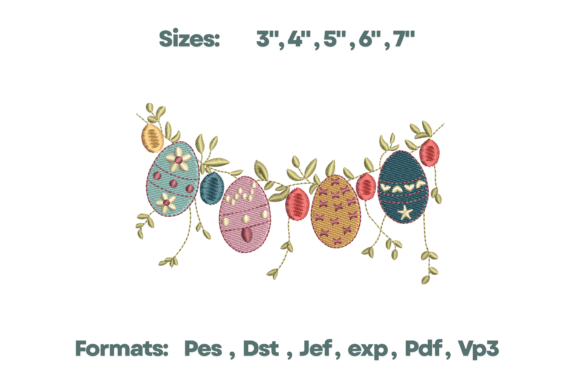
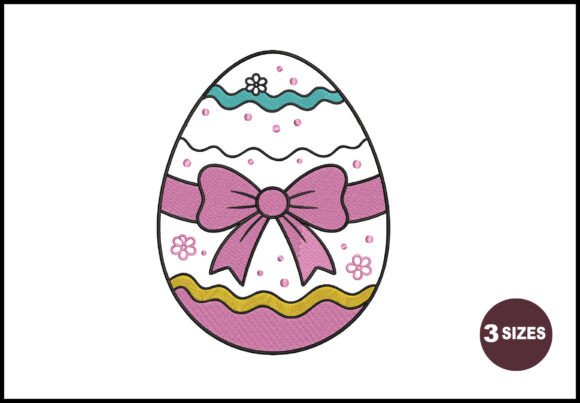
As a designer who has spent years navigating the nuances of machine embroidery, I approach every new file with a critical eye. We all know that a pretty preview on a screen does not always translate to a flawless stitch on fabric. Today, I am evaluating the Easter Egg Embroidery Design, a digital asset promising seasonal sweetness for spring projects. The description highlights a beautifully detailed egg adorned with a stunning pink bow, but my job is to determine if this design holds up under the pressure of real-world production.
When I first loaded the embroidery file into my digitizing software, the initial impression was one of classic charm. The layout feels balanced, avoiding the common pitfall of overcrowding small hoop sizes. The visual personality is soft and inviting, making it an immediate contender for baby items, nursery decor, or boutique branding. However, true value lies in how the stitches interact with different materials. This is where the practical judgment comes in.
Visual Impact and Project Suitability
The core appeal of the Easter Egg Embroidery Design lies in its ability to elevate simple goods into thoughtful gifts. Imagine preparing a custom embroidered tote bag for a local craft fair. The egg shape provides a natural focal point, while the delicate bow adds a touch of elegance without overwhelming the canvas. For an Etsy seller looking to expand their holiday collection, this design offers a versatile aesthetic that fits both rustic and modern styles.
In terms of application, I see this working exceptionally well on sweatshirts and aprons. The density of the fill stitch appears moderate, which suggests it will sit comfortably on mid-weight fabrics without causing puckering. If you are planning to create personalized gifts, such as a monogrammed kitchen towel or a pillow cover, the design's clarity ensures that even from a distance, the details remain recognizable. It is the kind of machine embroidery design that builds customer trust because it looks professional and intentional.
For those running a small shop product line, consistency is key. Using this Easter Egg Embroidery Design across various items—like caps, hats, and baby clothes—can help establish a cohesive brand identity for the season. The pink bow acts as a signature element that customers will associate with your specific handmade products. Whether you are selling finished items or offering digital mockups, the design assets here provide a strong foundation for engagement.
Navigating Fabric Challenges
While the design is promising, experienced decorators know that context matters. There are scenarios where this embroidery project requires careful handling. For instance, applying it to thin fabric or stretchy material demands a high-quality stabilizer. Without proper backing, the intricate details of the bow might distort, ruining the finished product.
I also advise caution when using this design on dark fabric. The default thread colors mentioned in the description likely rely on light pastels. On a black sweatshirt or navy tote bag, these colors may lack contrast unless you adjust the palette or add a dense underlay. Always test the design in black and white mockups first to ensure visibility. Similarly, curved surfaces like caps can be tricky; the roundness of the egg might conflict with the curve of the hat panel if the hoop size is not managed correctly.
Textured fabrics present another challenge. A heavy linen or a thick fleece can hide the finer points of the running stitch used in the bow. In these cases, checking the stitch density is crucial. If the density is too low, the design might look sparse; too high, and it could stiffen the fabric. As a reviewer, I recommend testing the Easter Egg Embroidery Design on scrap fabric first to gauge how the threads settle into the weave.
Practical Designer Notes for Success
To get the most out of this digital embroidery file, follow these practical steps before committing to a client order or a large batch:
- Test on Scrap Fabric: Never skip this step. Stitch out the design on the actual material you plan to use to check for puckering and registration issues.
- Check Thread Color Contrast: Ensure the pink bow stands out against your chosen background. You may need to swap thread colors for better visibility on dark garments.
- Review Stitch Density: Inspect the fill areas of the egg. If they feel too tight, consider adjusting the settings to prevent fabric distortion.
- Confirm Hoop Size: Verify that your machine's hoop can accommodate the full width and height of the design without cutting off the bow or the egg tip.
- Inspect Small Details: Zoom in on the bow knot. Tiny lettering or extremely fine lines often get lost during stitching, so ensure the digitization supports the detail level.
- Use Proper Stabilizer: Match the stabilizer weight to your fabric type. A tear-away works for stable cottons, while a cut-away is better for knits.
- Verify Licensing: Before selling finished items or digital products, confirm the license terms. Some files allow personal use only, while others permit commercial embroidery sales.
These checks are essential for maintaining professionalism. A poorly executed stitch job can damage your reputation as a craft business owner. By taking the time to validate the Easter Egg Embroidery Design in your specific workflow, you ensure that every item leaving your studio meets high standards.
Commercial Viability and Market Fit
From a business perspective, this design fits perfectly into the seasonal cycle. Spring is a peak time for handmade product sales, and having a reliable embroidered patch or apparel design ready can boost revenue. The versatility of the egg motif allows it to serve as a standalone piece or part of a larger composition. For example, you could pair it with floral elements for a garden-themed collection or keep it minimal for a clean, modern look.
For hobbyists transitioning into entrepreneurship, this type of holiday embroidery offers a low-risk entry point. The design is complex enough to look premium but simple enough to stitch reliably on most home machines. This balance makes it ideal for creating printable mockups to showcase on social media or Etsy listings. When potential buyers see a crisp, well-defined image of a finished product, their confidence in purchasing increases.
However, remember that trends shift. While Easter themes are perennial, the specific style of the bow and egg must align with current aesthetics. The "stunning pink bow" described here leans towards a traditional, sweet aesthetic. If your brand targets a more edgy or minimalist demographic, you might need to customize the color scheme significantly. Flexibility in thread selection is what turns a standard machine embroidery design into a unique brand asset.
Final Verdict on Real-World Application
After analyzing the Easter Egg Embroidery Design through the lens of practical application, I find it to be a solid addition to any spring portfolio. It excels in creating visual appeal and enhancing the perceived value of handmade items. The design strikes a good balance between detail and stitchability, provided you respect the limitations of your materials.
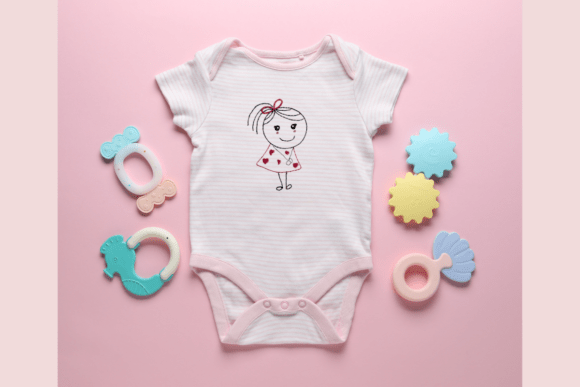
Whether you are decorating a baby onesie, adding a festive touch to a kitchen towel, or producing merchandise for a boutique, this file has the potential to deliver beautiful results. The key lies in preparation: test thoroughly, choose the right stabilizer, and verify your licensing. By doing so, you transform a simple digital file into a cherished physical object that brings joy to customers.
For the creative entrepreneur, the goal is always to produce work that feels authentic and high-quality. This design supports that goal by offering a charming, recognizable motif that resonates with the spirit of the season. With careful execution, the Easter Egg Embroidery Design can become a staple in your collection of design assets, helping you build a loyal customer base and a thriving craft business.